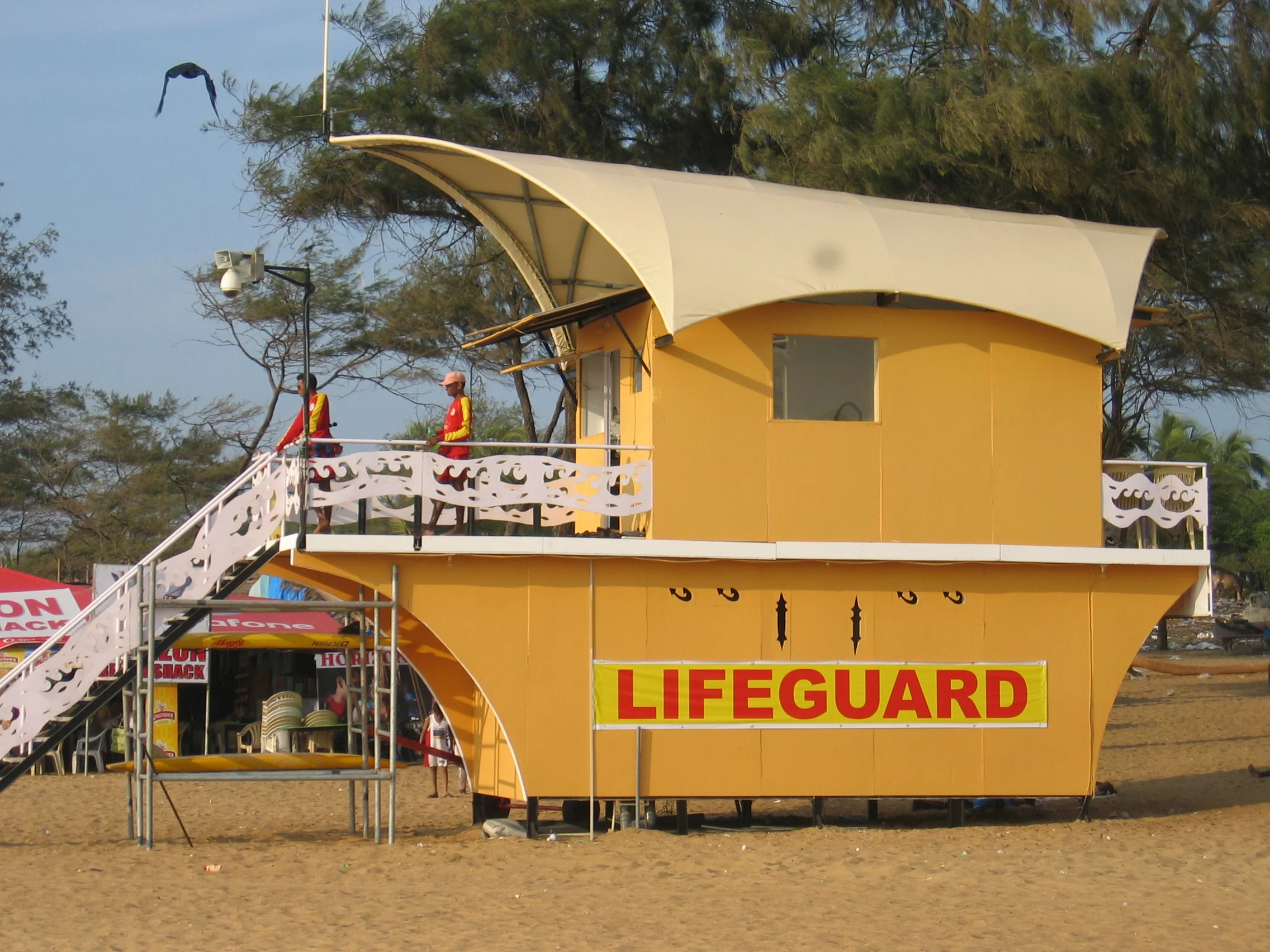
Some Photographs of team TCS in Pune International Marathon 2008.
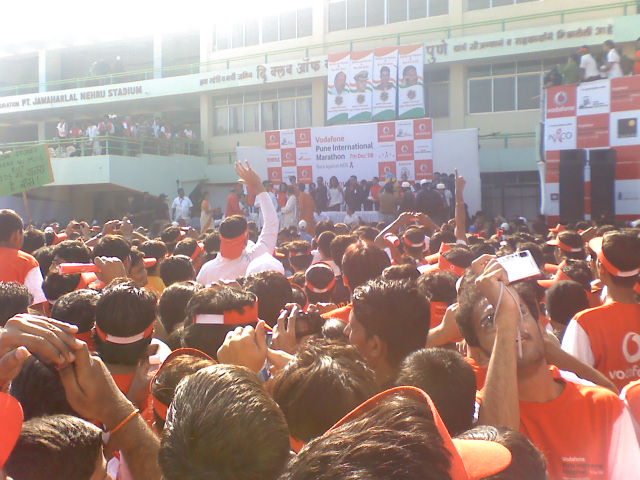
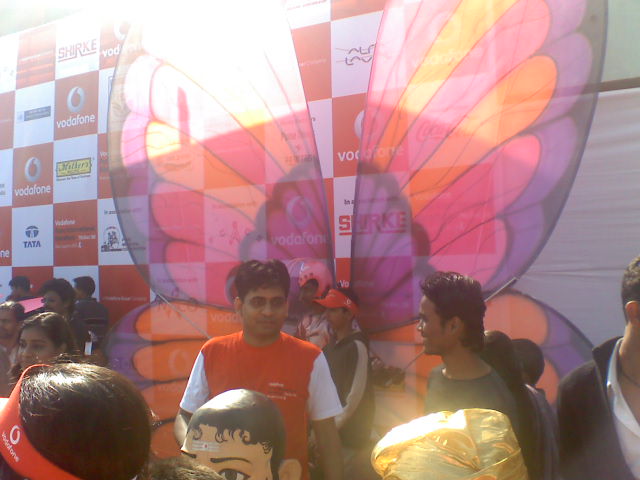
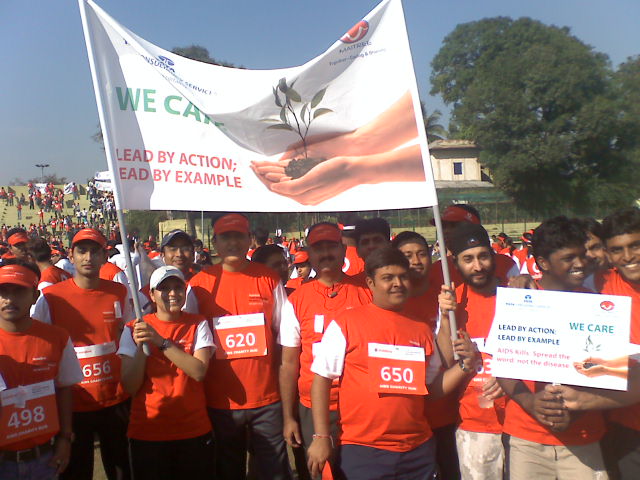
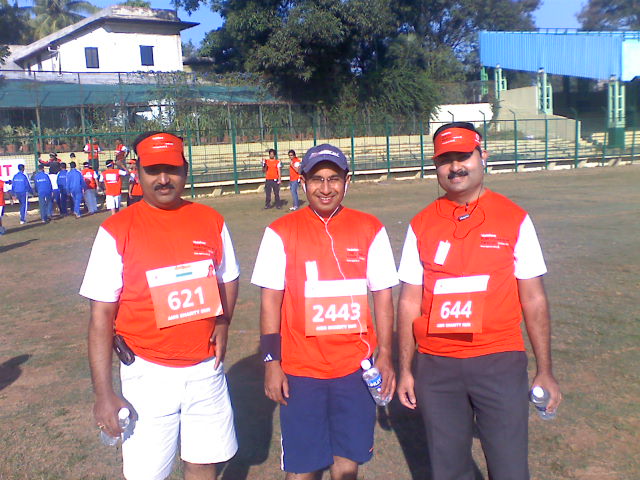
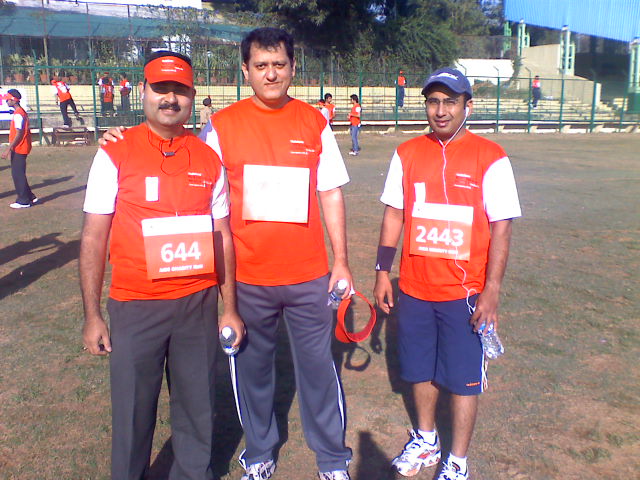
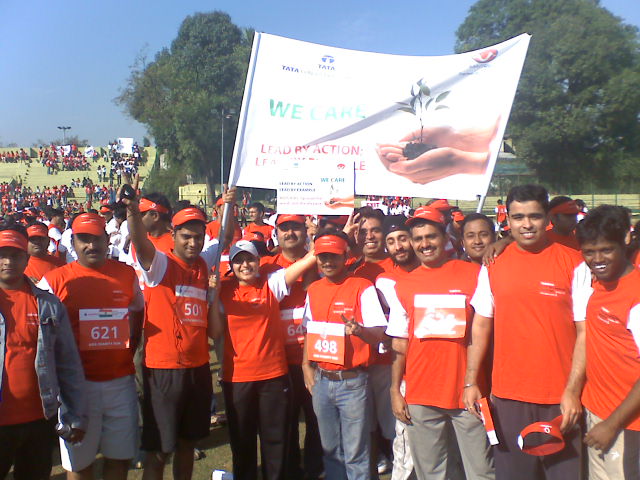
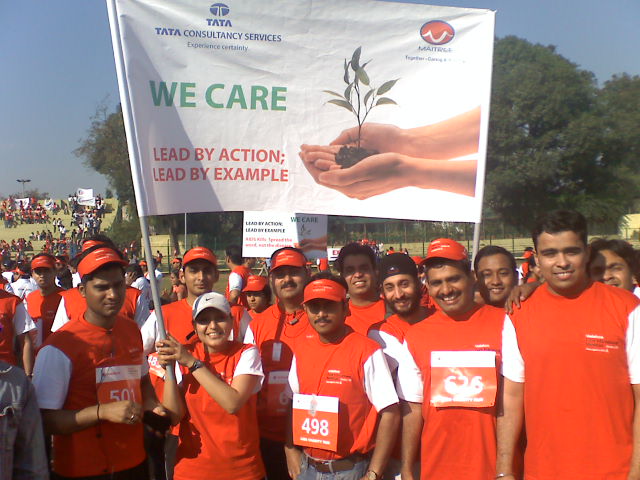

Some Photographs of team TCS in Pune International Marathon 2008.
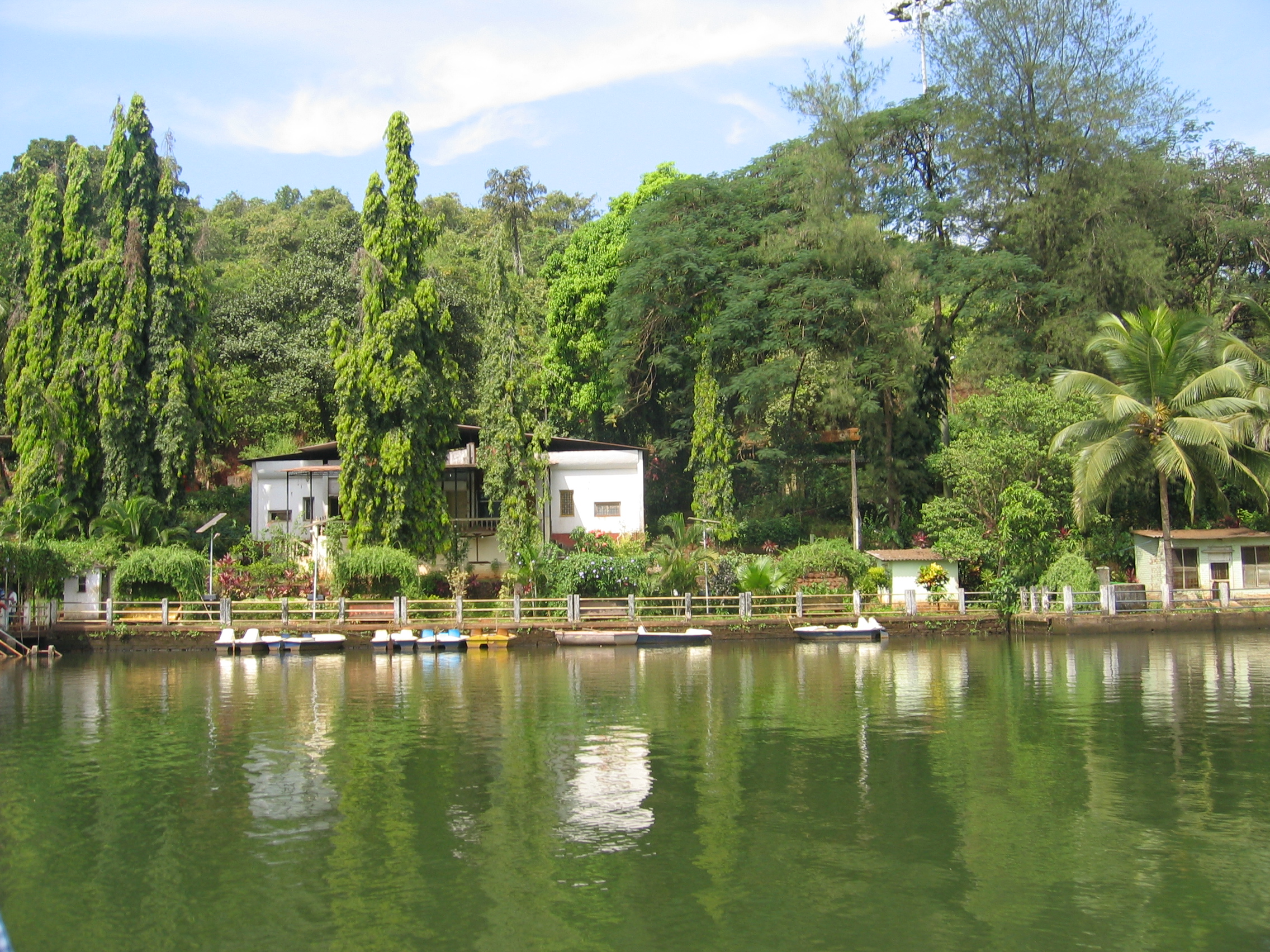
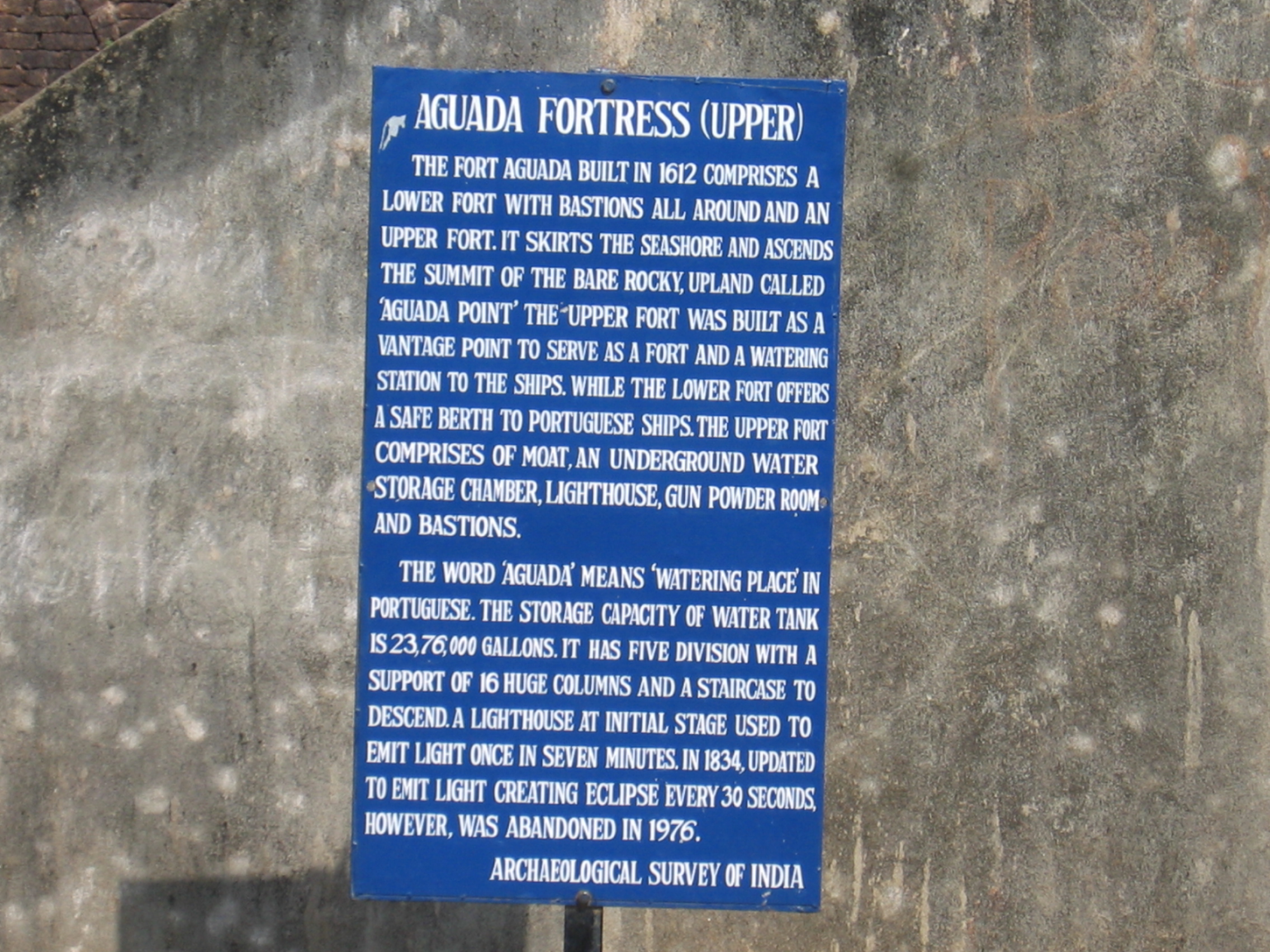

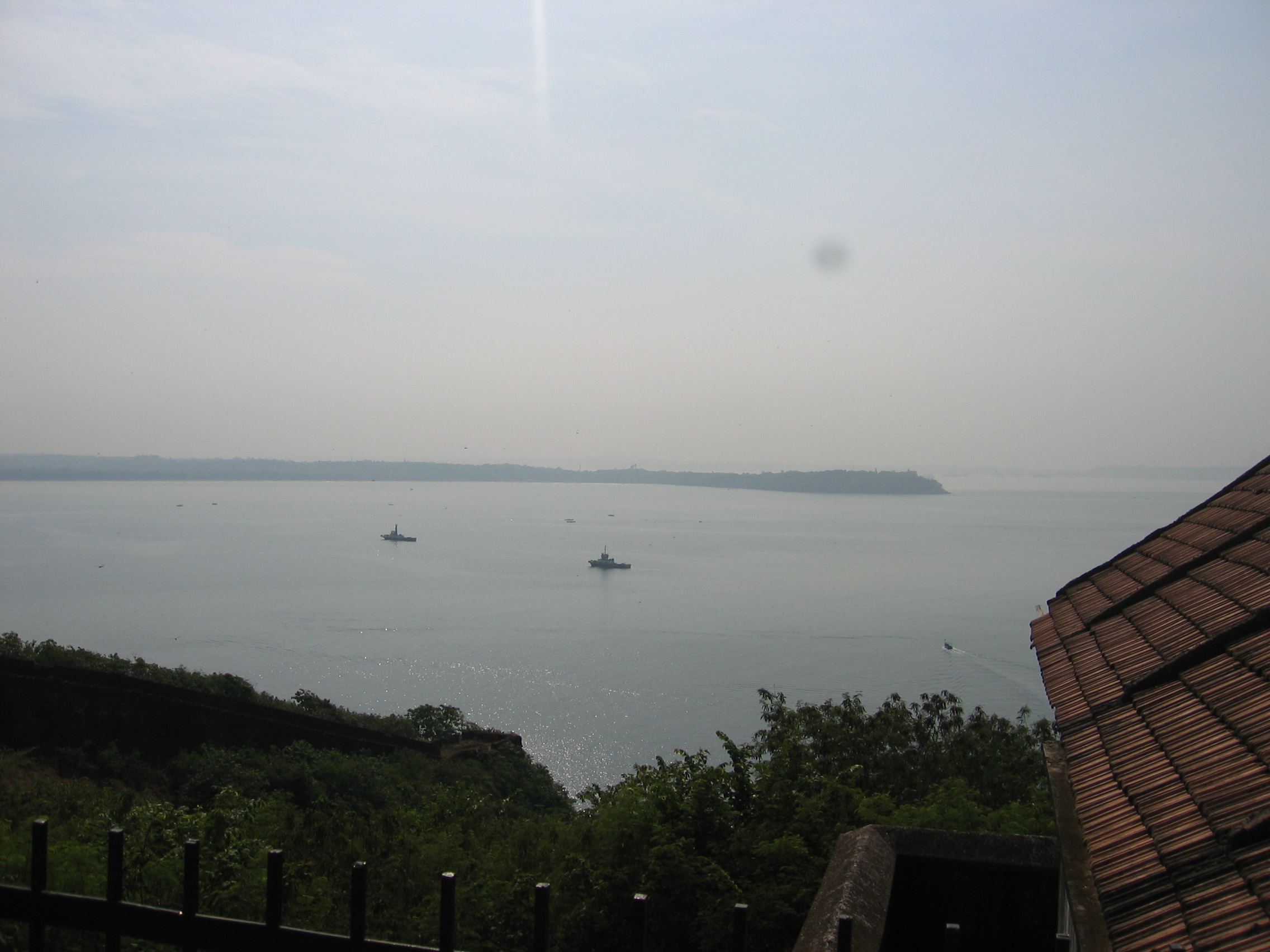
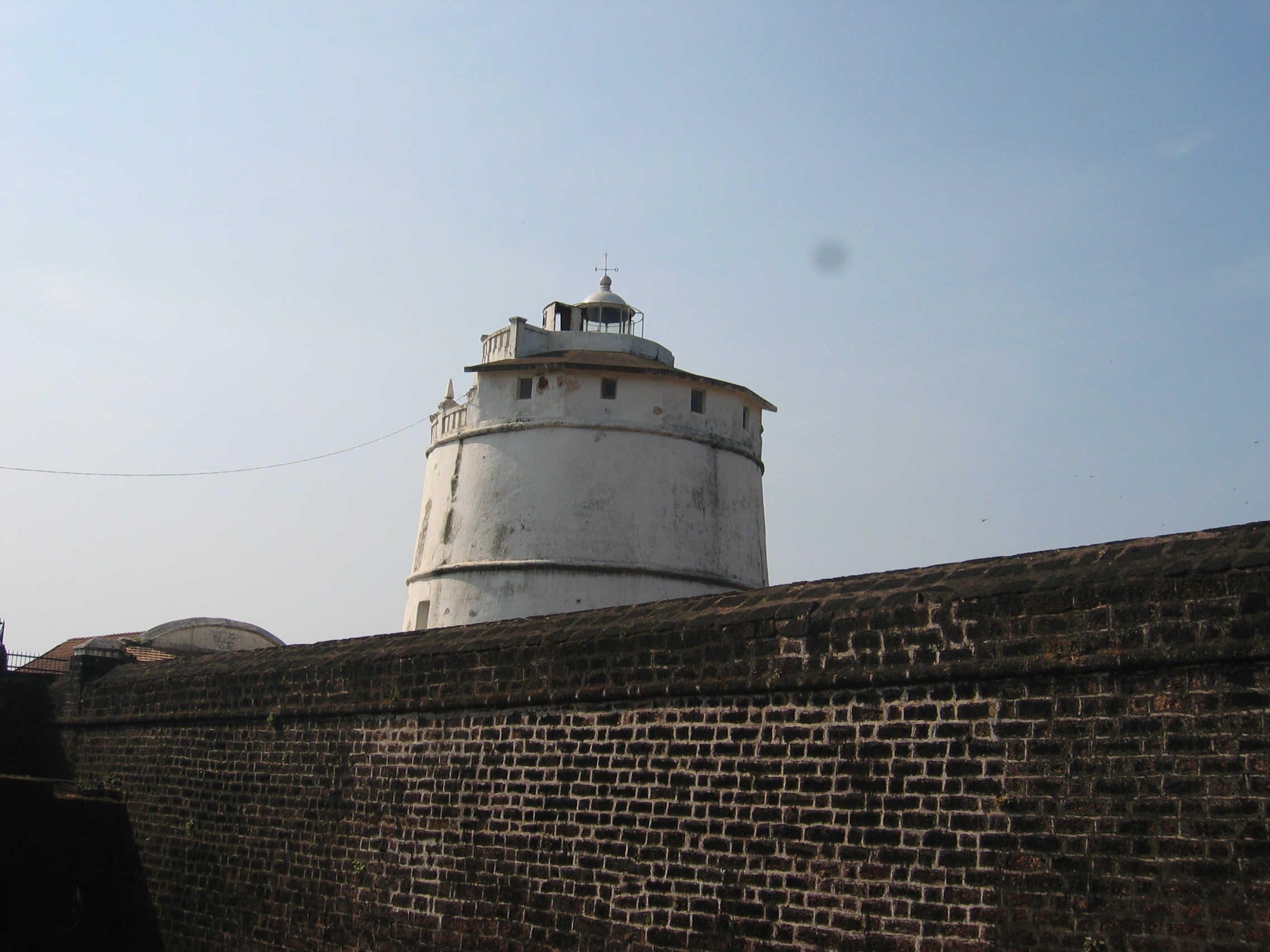
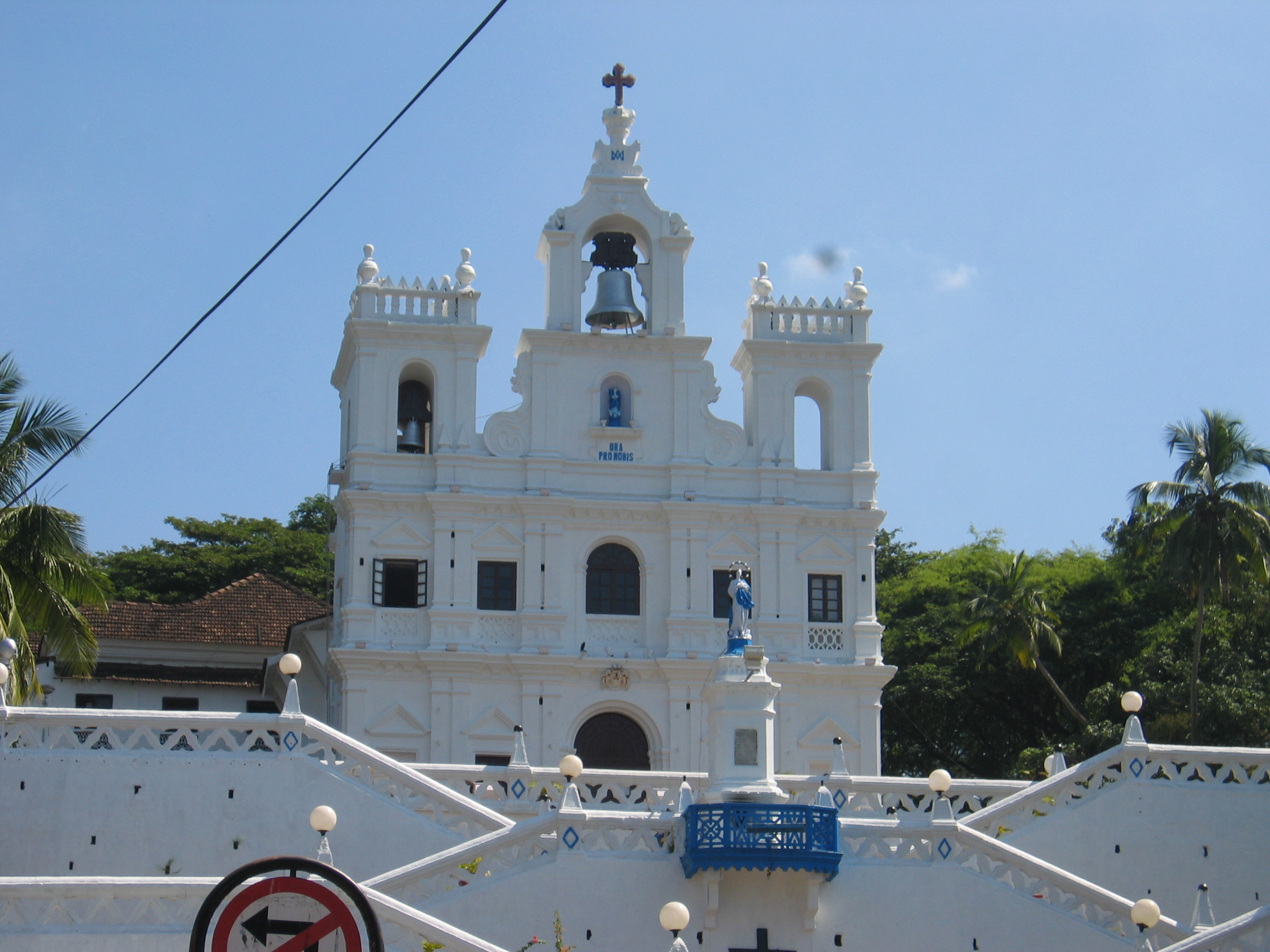
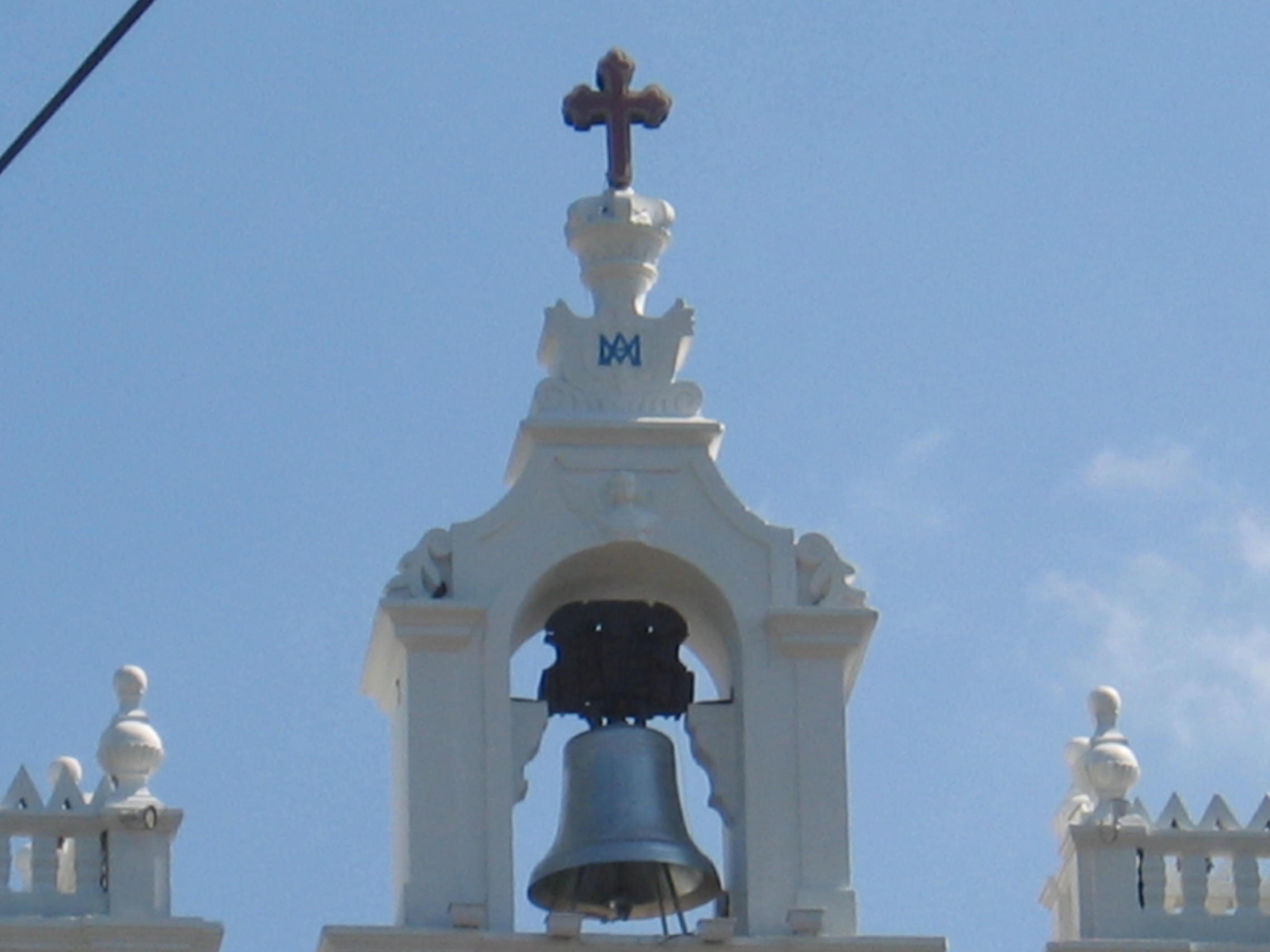
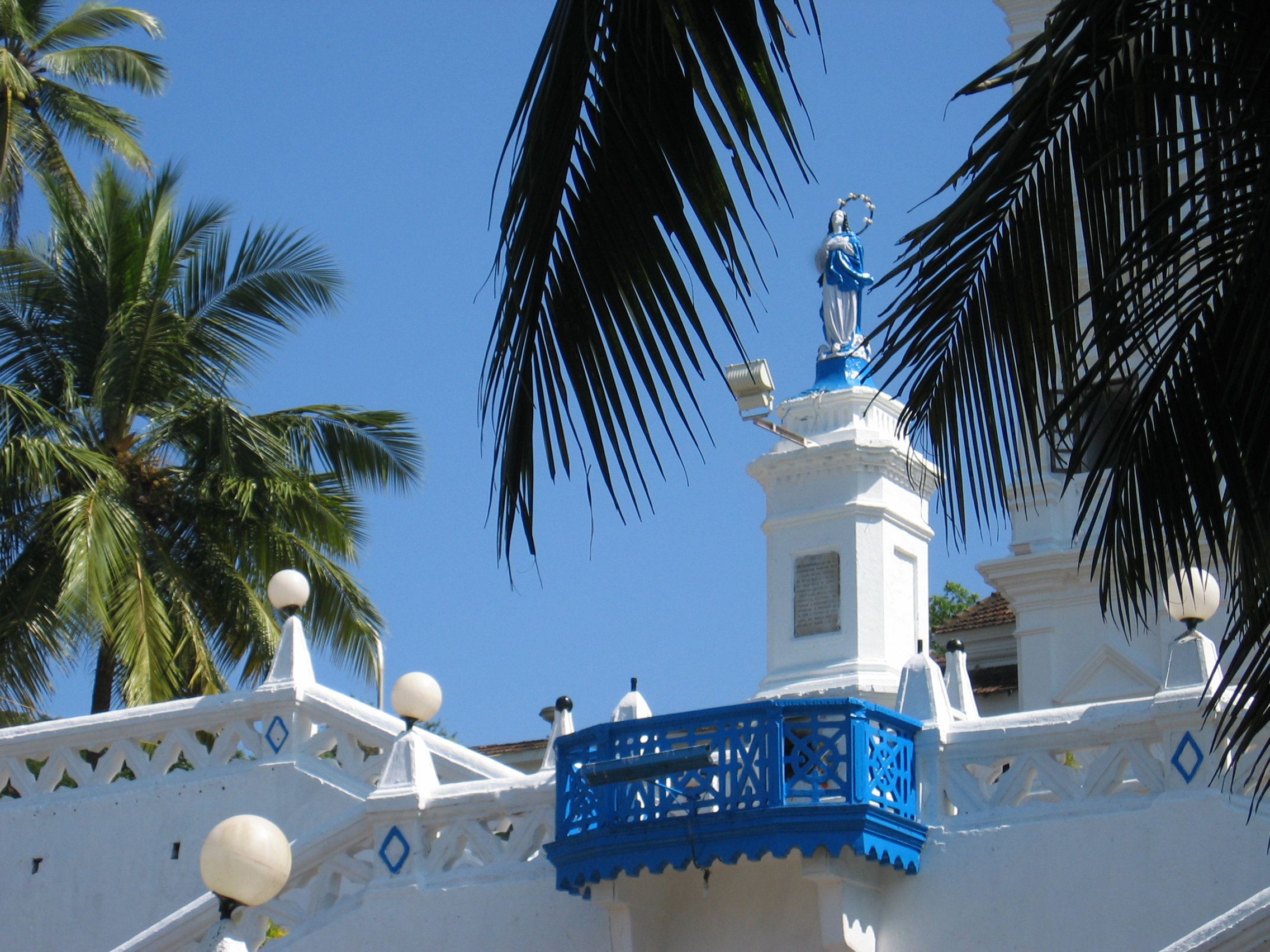
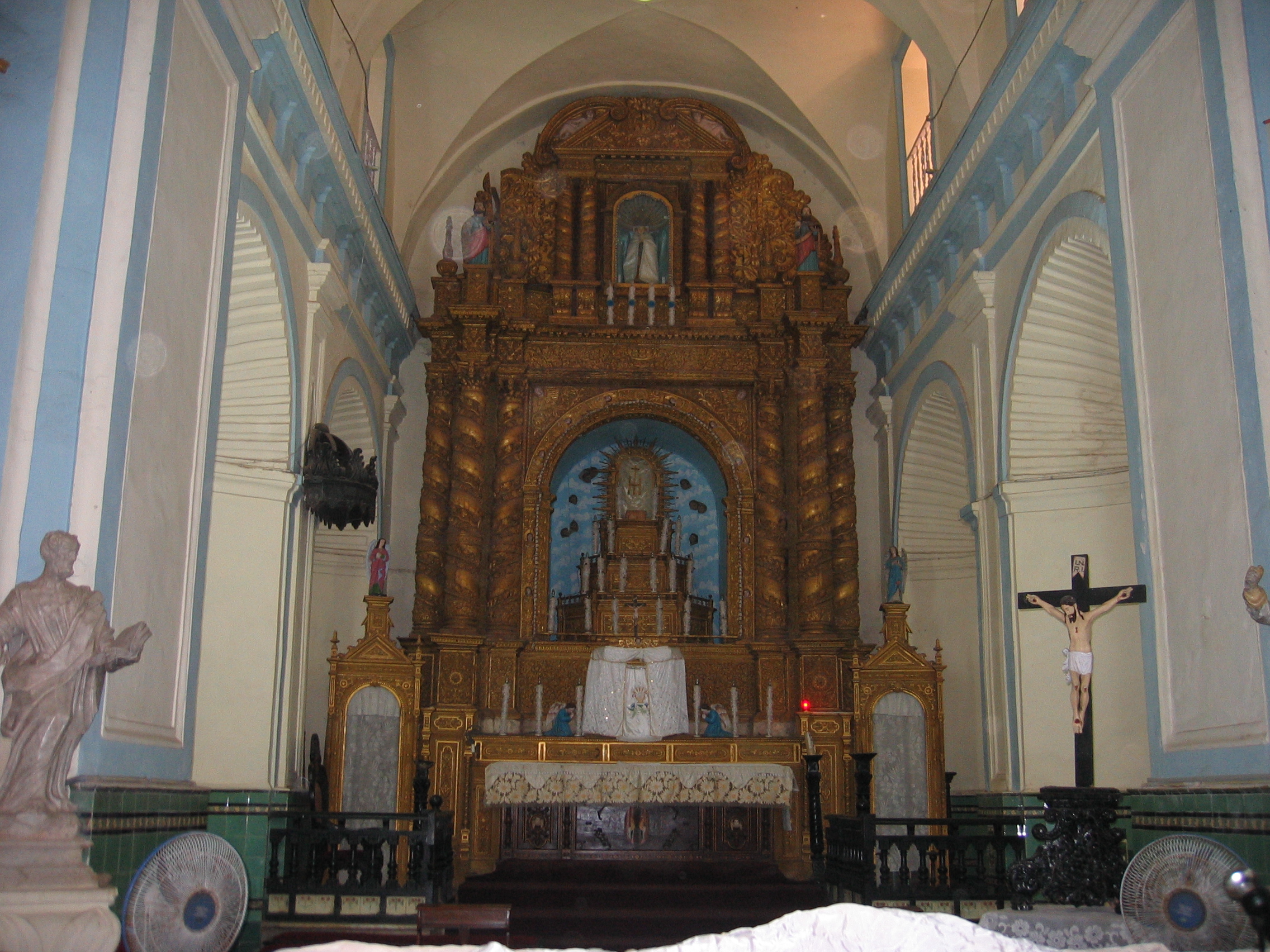
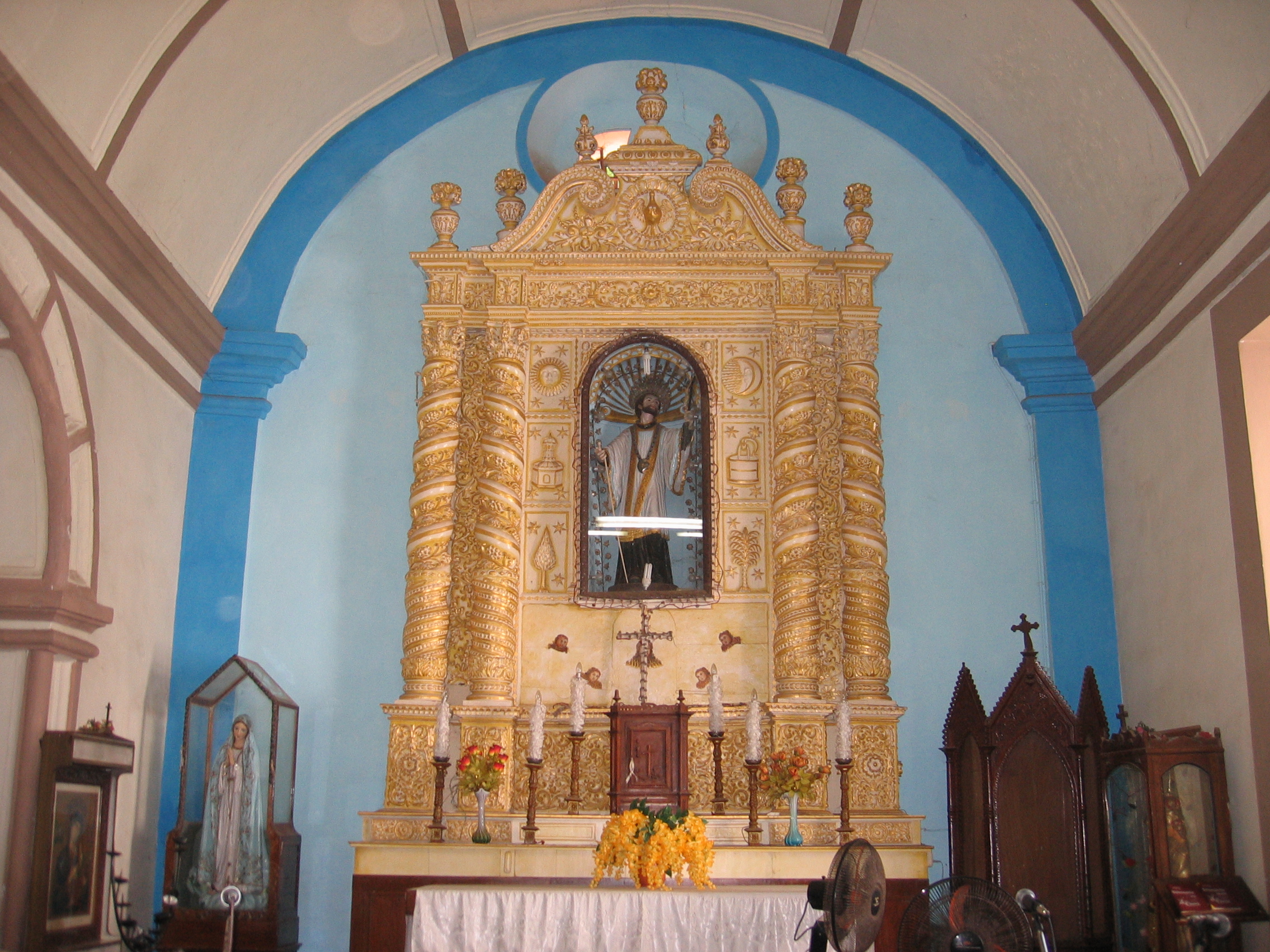
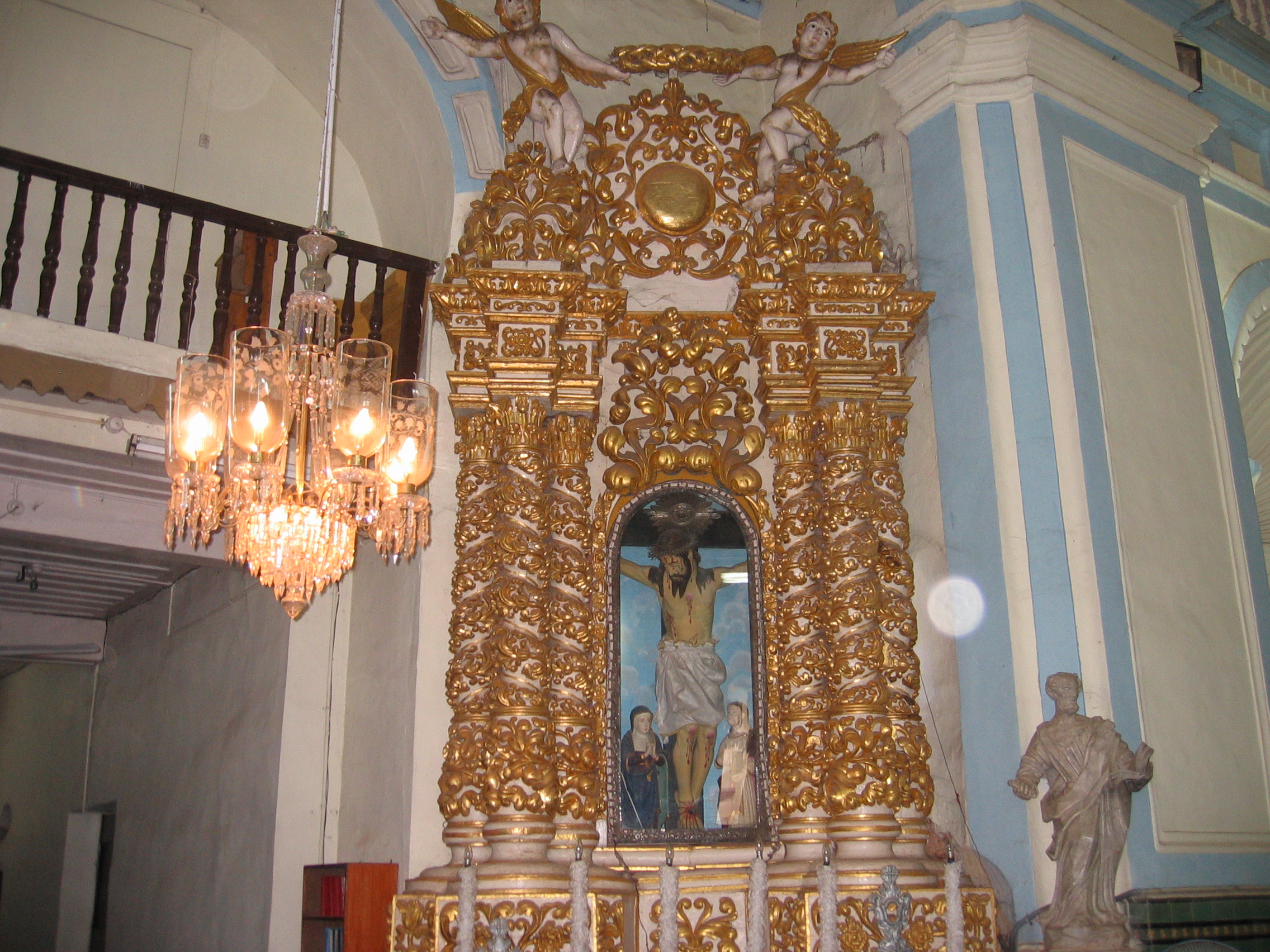
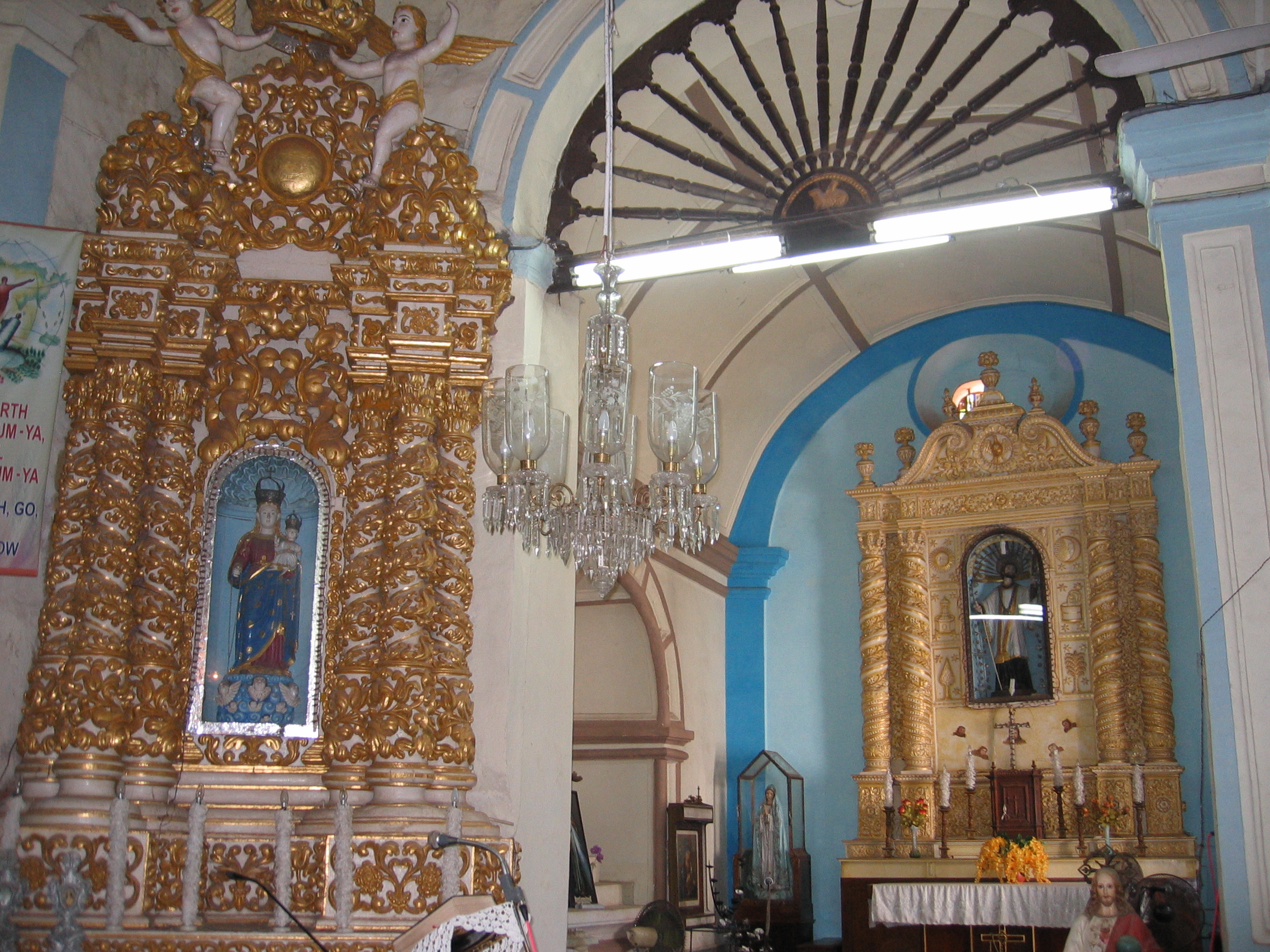
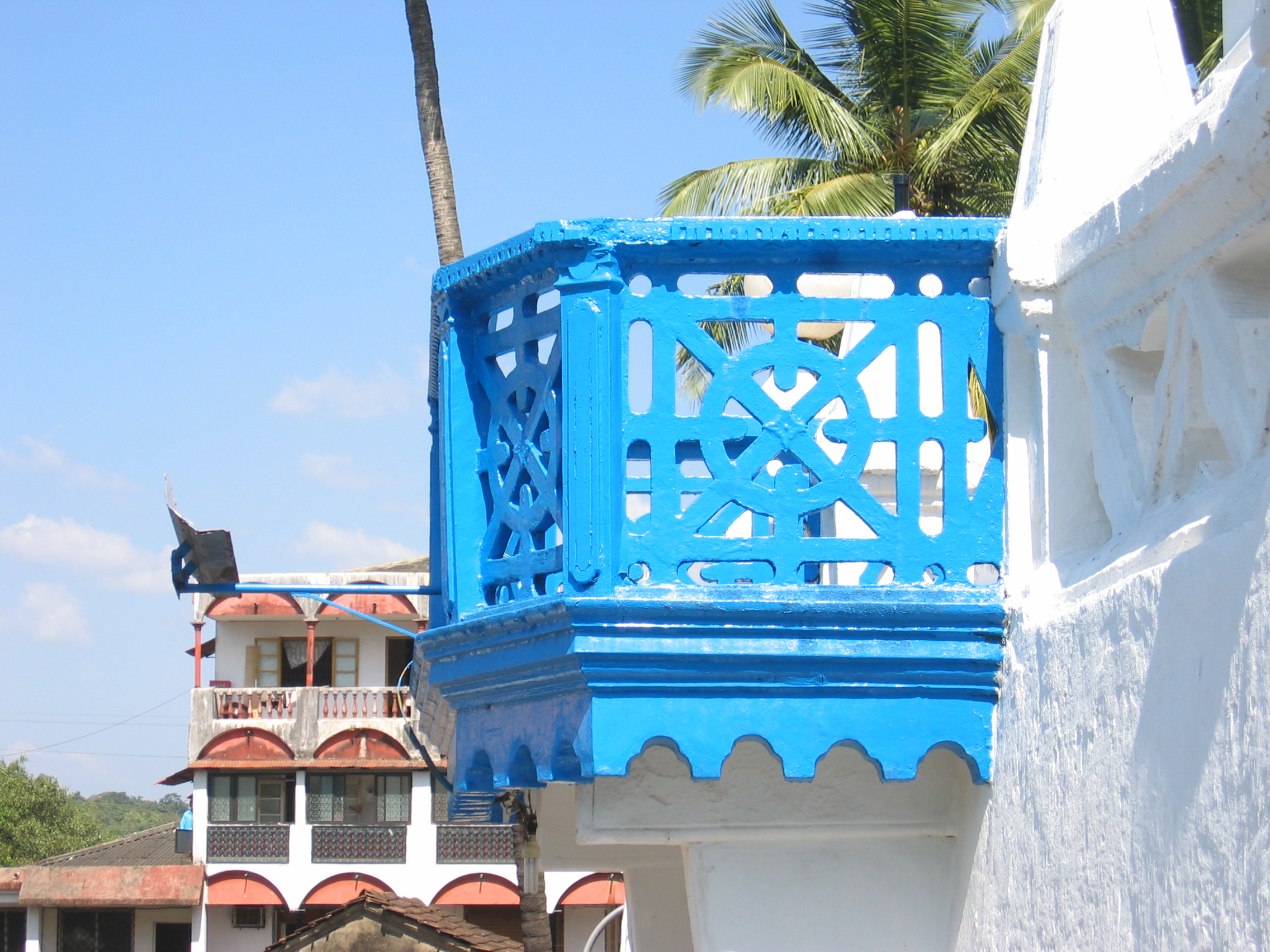

Established in 1541, the Church of Mary Immaculate Conception is one of the earliest churches built in Goa. Located at the heart of Panaji, this majestic church is a prominent landmark of the city. A silhouette of the Mary Immaculate Church illuminated with thousand of bulbs shimmering against an inky dark sky is one of the most enduring images of the Panaji city.The great bell at the Church of Mary Immaculate Conception is acclaimed as the second largest bell in the world. Known as the Bell of the Inquisition, this bell was previously a part of the Church of Our Lady of Grace in Old Goa. It was shifted to the Mary Immaculate Church in 1841, after Panaji became the capital of Goa. The interiors of the church are elegant yet minimalist. The main altar dedicated to Mary Immaculate is flanked by two altars on either side. The left altar is dedicated to Jesus Crucified while the right one honors Our Lady of the Rosary. At the side of each altar is a marble statue, one of St Peter and one of St Paul. The Chapel of St. Francis Xavier, located to the south of the main altar, houses a glass-encased statue of him.On 8th December every year, devotees flock to the church in large numbers to attend the Feast of the Immaculate Conception. The feast is a celebration of the conception of Lord Jesus by Mother Mary.
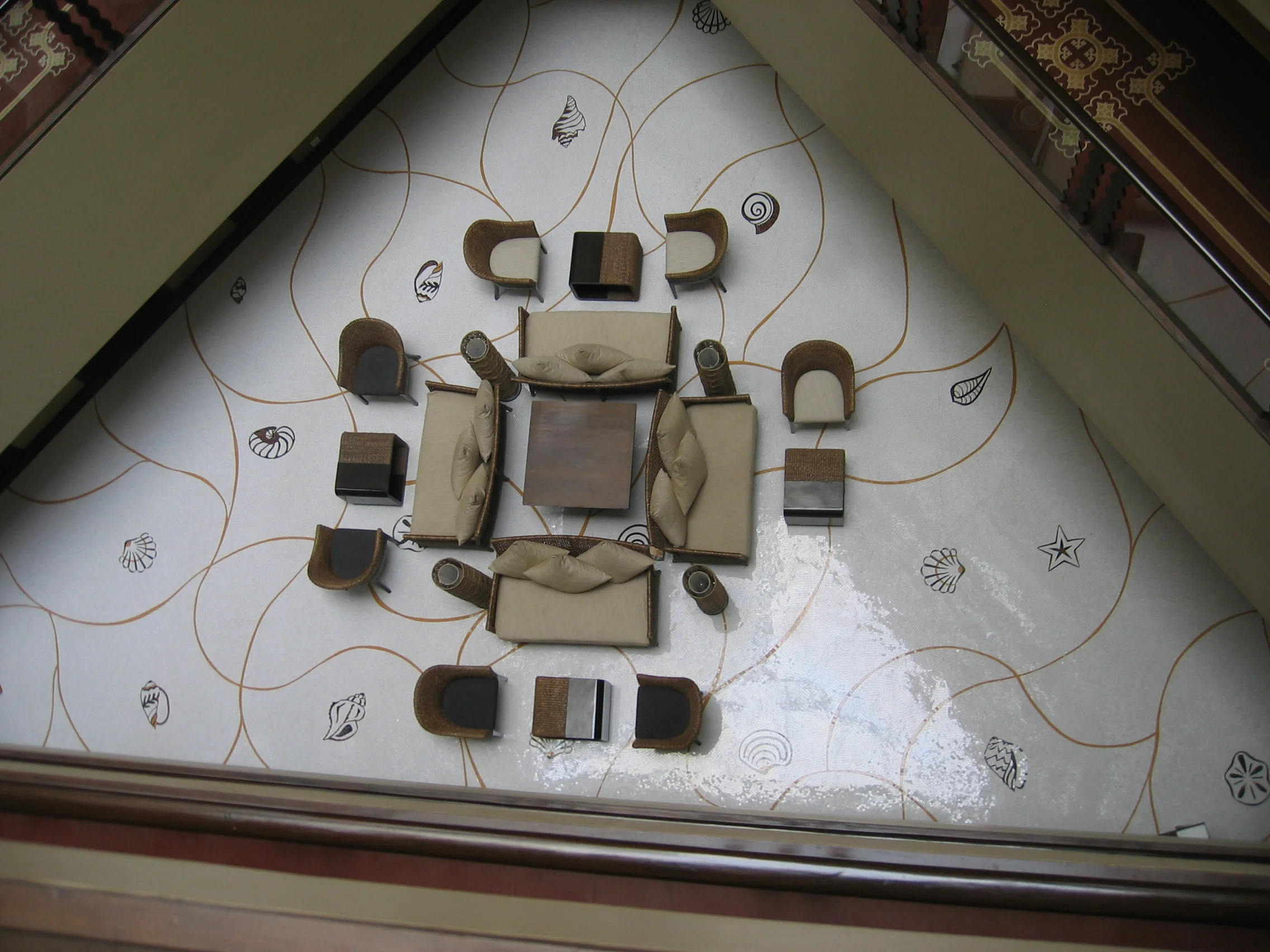
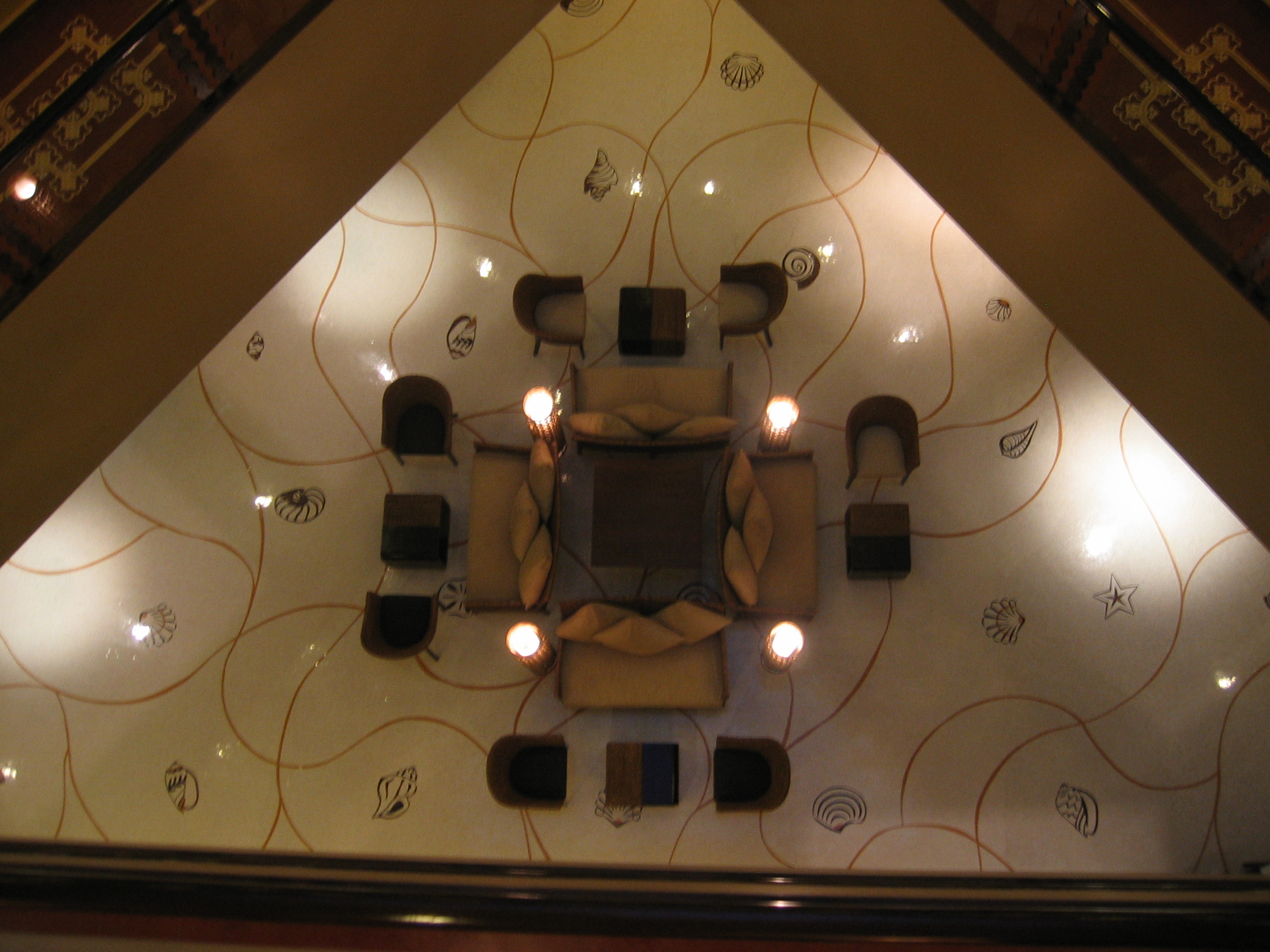
Clicked this photograph of Sun-n-Sand Hotel Lobby in Goa from third floor. One was clicked in the morning and one in the evening with lights on.
Talking of failed opportunities, I read this news on NYTimes of a new Website called Cookstr. Cookstr plans to “showcase the recipes of star chefs like Jamie Oliver, Nigella Lawson and Mario Batali, as well as those of less-well-known but highly regarded cookbook writers. The idea, ultimately, is to sell copies of these authors’ books”.
Now this news appeared on the NYTimes which had 20 M Unique Users in September. Anyone would have kept their site ready for the traffic the news will bring to their site and they could have 1000’s (even millions) of conversions just because of this coverage. But Not Cookstr. While the news article does say, that the site will go live this month, you would assume that Cookstr would have done their research on NYTimes readership and would have been ready to showcase their new site to millions of readers. This is what you see when you are taken to the website.
Now, my dear readers (yes the two of you) that’s a classic example of Failed Opportunity.

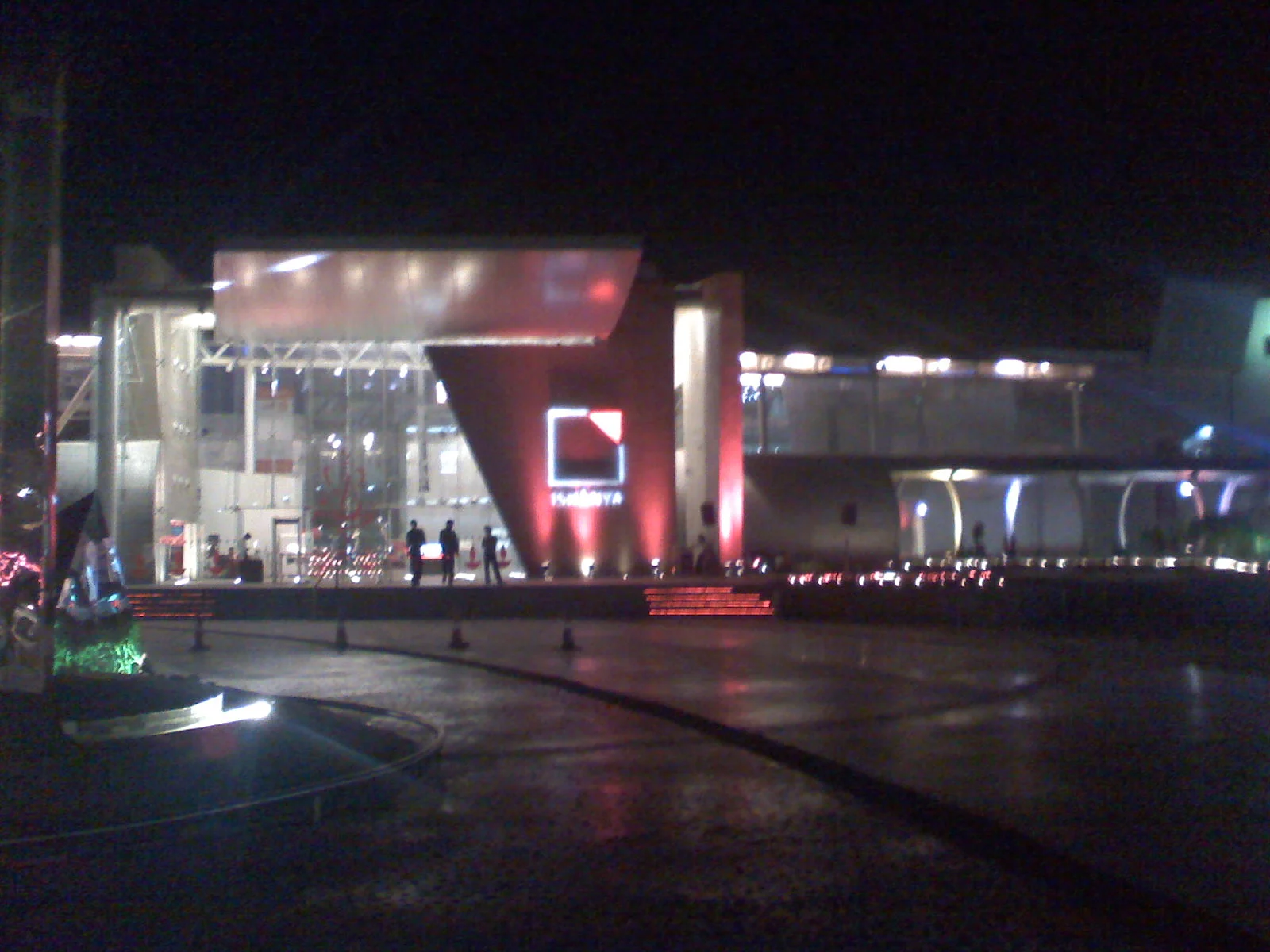
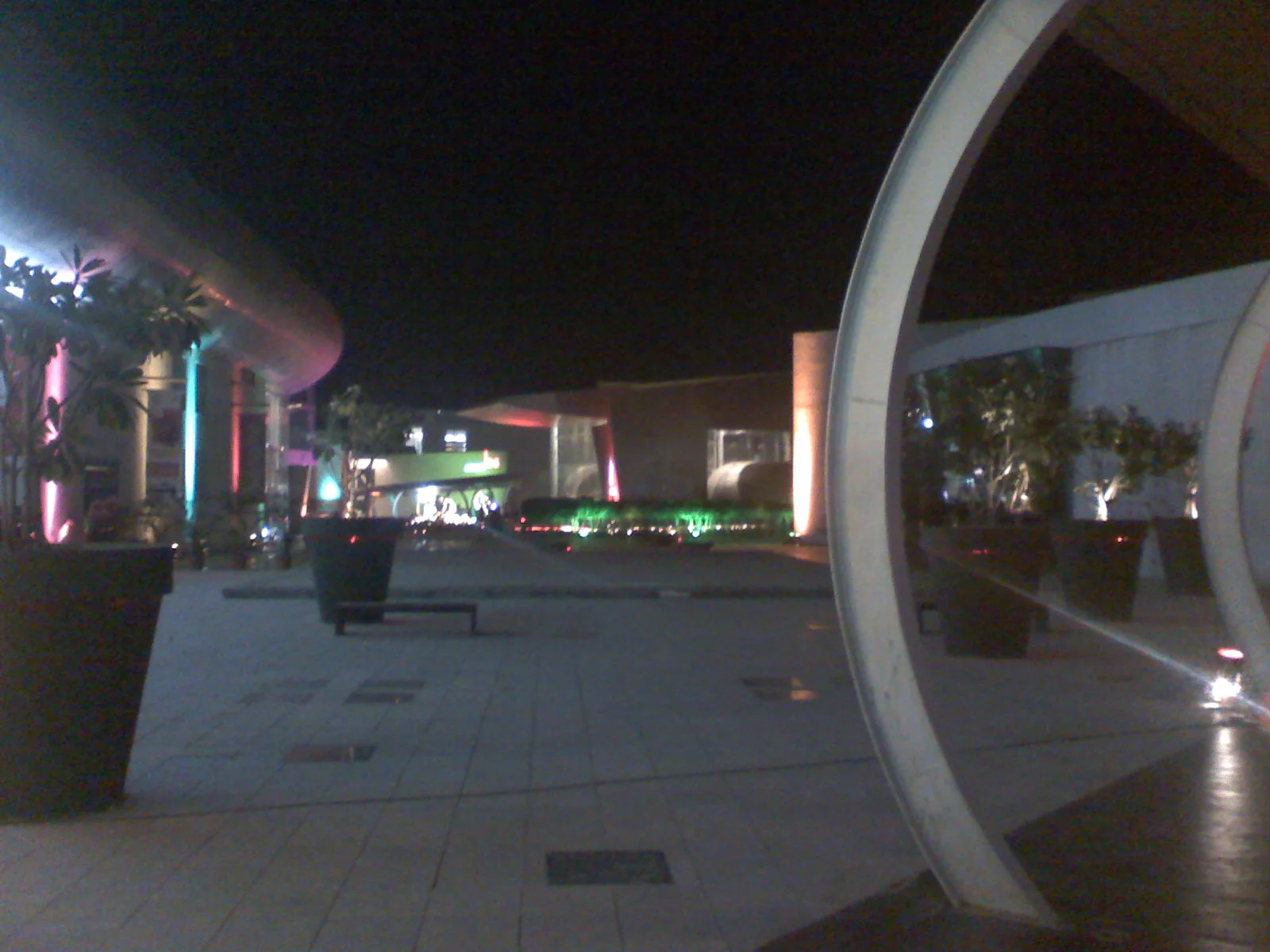
Clicked this photograph of Ishanya Mall in Pune, India’s Largest Design Center and Specialty Mall. The mall was decorated for Diwali !
Note: I have used my Mobile 2 MP camera so please excuse the clarity (lack of) in photograph J
I clicked this photograph of Hyderabad Airport some three months back from my Mobile (MotoQ, 2 MP camera). It is definitely a World-class Airport.
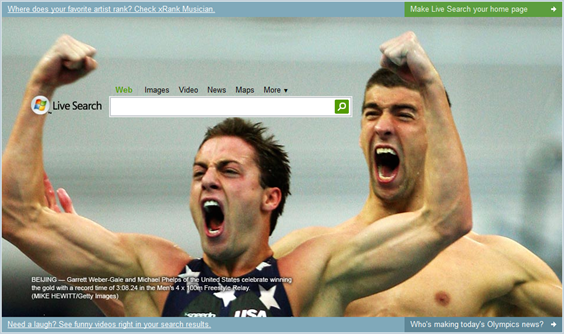
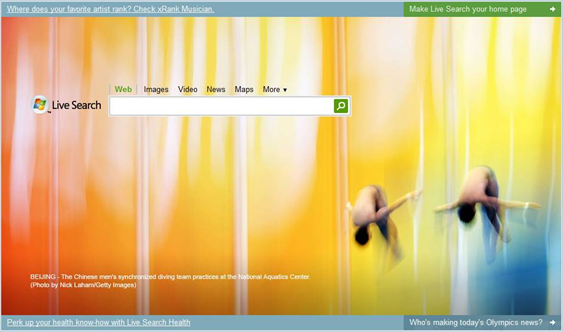
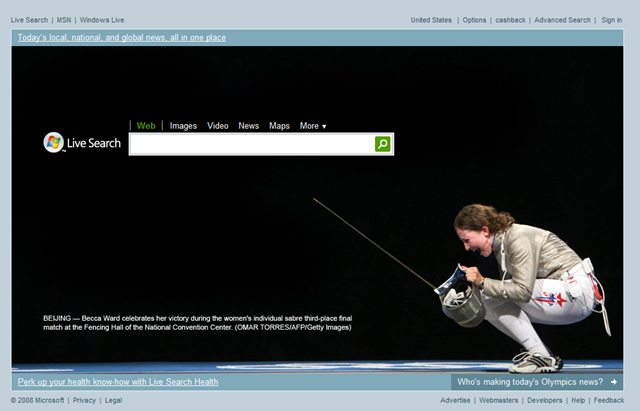
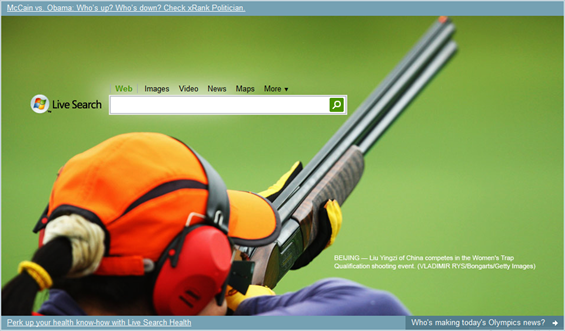
While the Live Search has improved drastically in the past few months, Microsoft now has one more reason to have more people using Live Search. The photographs from Olympics (available in US and few other countries only at this time). The images are amazing and very well placed.

[via Aplia Econ Blog]
Rather old article, but nonetheless fascinating if you are interested in Economics.
Starbucks Economics - Solving the mystery of the elusive "short" cappuccino.

While developing Competency Models for my groups, one of the popular performance analysis tools that I have come across is the Can Do/Will Do Evaluation chart that Kenneth Carlton Cooper has described in his book, Effective Competency Modeling and Reporting: A Step-by-Step Guide for Improving Individual and Organizational Performance. Below is a representation of the same.
Here “Can do” refers to employee’s qualification to do the job and “Will do” refers to employee’s motivation to perform. The results are four alternatives:
It is interesting to note that Can Do/Can't Do dimension of this model is competency based while Will Do/Won't Do is not since it involves dealing with motivational attitude.

One of my colleagues, Hemant Sathe has started his new blog through which he plans to share his experiences in technology and project management. Now Hemant and I have worked very closely in the recent past and so I am quite familiar with the topic of his latest post, Thoughts on building technical competency. This is an area where we have focused a lot in the last year or so. Let me run you through how we run the Competency Management program for our group. As Hemant has put out, we look at Competency development as a multi-step process. The step 1 is what we termed the Gap Analysis. Quoting Hemant on the same:
In the first step, we collected data about our existing competencies. The way to do that was to identify three top most relevant competencies of each of our team members. This also included the project leads and middle management. The focus was on "relevant skills". This meant that if someone had worked extensively on a particular technology some 2-3 years back we may not consider it in top 3. We rated the skills on a level of E1 to E4. Then we also mapped the target levels of each of these competencies in the current project or quarter or half year. Although we collected data from the teams, it was validated by the leads to reflect the usable level of the skills.
Once we did this analysis, we started analyzing the data and listing the E3 onwards level employees. These were called as the champions of the skill area. This list is useful in few key business areas; recruitment, training, responding to proposals, estimation, solving problems of projects, knowledge management.
Along with identifying the champions, we also identified the laggards who are bringing down the whole competency level average for the group. We then looked at their past year's performance assessments and decided relevant competency levels they need to attain to stay in the group.
The next step in the process is Competency Upgrades. Now, this is the area where we did a lot and lot remains to be done. Some of the things we did right included,
Our main focus last year was on conduction knowledge sharing sessions (KSS). For these KSS we had different types. These were,
- Formal training/ presentation on a technology area
- Workshops for areas like design
Hands on sessions
- Project showcase to demonstrate the in-house skills and build a sense of pride
KSS went well for some time and then it started fizzling out for various reasons (including busy schedules, laggards outweighing front-runners, lesser incentives for the Knowledge sharers etc) but we are determined to make it happen. The importance of KSS is enormous and apart from what Hemant described, we want to do well because KSS sessions are a great step forward to improve Employee communication and presentation skills. This is so important in today's world with such great focus on outsourcing and working globally.
The next steps will include the following:
Are we doing the right things? Are there any laid out processes we need to look at? How are you all managing Competency Development and Management in your orgs?

Some great news coming out today.
REDMOND, Wash. (AP) -- Microsoft Corp. offered to buy search engine operator Yahoo Inc. for $44.6 billion in cash and stock in a move to boost its competitive edge in the online services market.
Microsoft bid $31 per share for Yahoo, representing a 62 percent premium to Yahoo's closing stock price Thursday.
Now, this is what I call Breaking News :)

Reflecting on the year gone by (2007), it has been quite some year for me professionally what with so many prizes/awards (1st prize for Collaborative Logistics Mashup for Mashup Idea and Assembly, 1st Prize in the wireless competition for the Connected Services Sandbox, 1st prize for Session Search CSF competition and the overall Series winner). All these awards came with good prize money so even more rewarding :)
This year lady luck smiled on me even in quizzes with me and my partner Abha Shah coming runners up in the Pune Tata Crucible. We could have been the winners if we were a little faster with our fingers in the buzzer round. A good commentary of the same is on Jay's blog (Abha's husband). Last year, 2006 I had come 3rd in Pune round of Tata Crucible.Then there were few awards at my Company level, Best Speaker award, Innovation award (which I am very proud of).
Professionally, my wife Monica also has been doing great with she delivering successfully one of the biggest projects in the company. She now moves on to take higher responsibilities.
I hope Lady luck stays with us the next year too and enriches us both professionally and personally. Hope the same for all the readers of my blog. A Very Happy and Prosperous New Year !!

According to Michael Arrington of TechCrunch Digg Refugees may be heading to Mixx. I don't quite understand what he means by Refugees but anyways, what I pointed out in this post was how Mixx is an upcoming Social Digging site and how Digg is way ahead of Mixx right now.
Below is the list of top media news websites which allow their stories to be shared using community-based popularity websites like Digg, Reddit etc.
| Site | Digg | Mixx | |
| The New York Times | Yes | No | No |
| MSNBC | Yes | No | No |
| CNN | Yes | Yes | No |
| Reuters | Yes | No | Yes |
| Washington Post | Yes | Yes | No |
| Guardian | Yes | Yes | No |
| WSJ | Yes | No | No |
| Portfolio.com | Yes | Yes | No |
| ABC News | Yes | Yes | No |
| Fox News | Yes | No | No |
Now as you can see, except for Reuters no other big Media/News websites allow their stories to be dug directly by Mixx. Support for Mixx is miniscule as compared to Digg and that is what gets reflected from the stats too.

Ray Ozzie's Software+Services strategy seems to be taking shape. During the 2007 Financial Analysts Meeting he spoke of platform approach to services. To quote him verbatim (emphasis mine),
Services is going to be a critical aspect of all of our offerings from Windows and Office on the client to Exchange and SharePoint and Dynamics and other things on the server, and in order to gain leverage across all of our offerings, we're taking a platform approach to services, giving each of our products the common benefits of cost, speed, scale and monetization that a platform approach offers….
We're building a platform to support our own apps and solutions, and to support our partners' applications and solutions, and to support enterprise solutions and enterprise infrastructure. We are the only company in the industry that has the breadth of reach from consumer to enterprises to understand and deliver and to take full advantage of the services opportunity in all of these markets.
With HealthVault, Microsoft has done exactly that. From the press release:
Microsoft® HealthVault, a software and services platform aimed at helping people better manage their health information. The company outlined its vision for ways that HealthVault can bring the health and technology industries together to create new applications, services and connected devices that help people manage and monitor their personal health information, including weight loss and disease management, such as for diabetes.
What's exciting is that since it's a Platform service, it is already augmented by other Live Services such as Live Search (in this case, Live Search Health), Live Id etc. Also, with the HealthVault SDK, Microsoft has made the service extensible by developers, ISV's and Partners.
For more on Software + Services aspect of HealthVault, read the blog post by Dan Kasum